Table of Content
If the cause is viral, there is no real cure and the illness will have to run its course, and bacterial infections usually require antibiotics. Honey in warm water will effectively cure serious throat issues such as edema and inflammation. It is a natural remedy that is known for its viscosity and thus act as a barrier between bacterial and viral infection. In addition to all this, honey also help with the antioxidant status of the body. Antibiotics can treat bacterial infections, but many people with a cobblestone throat do not have a bacterial infection. Taking too many antibiotics increases antibiotic resistance, making it less likely that these medications will work in people who really need them.

Postnasal drip happens when this extra mucus accumulates in the back of your throat, where it can cause irritation and cobblestoning in the throat. This tissue often becomes inflamed or irritated in response to extra mucus in the throat. While it can look alarming, cobblestone throat is usually harmless and easy to treat. Cobblestone throat involves having inflamed tissue in the back of your throat that looks bumpy. Many people panic when they notice the raised tissue, thinking that the bumps may be cancerous growths. This can result in muscle spasms that trigger feelings of an object caught in the throat.
How is cobblestone throat treated?
You may also want to check with your doctor if you notice a persistent cobblestone throat. Patients with cobblestone throat may be advised to avoid acidic foods that can increase throat irritation and stomach acid production. Citrus fruits, tomatoes, chocolate, caffeine, alcoholic beverages, and peppermint may all contribute to throat irritation. In addition, patients may wish to limit their intake of dairy products, fried foods, and foods high in fat during the time they are ill with cobblestone throat. Keeping a food diary and checking food labels closely will help patients cut down their intake of these irritating foods. In particular, patients should closely read the labels on any boxed foods and ask about potential irritants when dining out at restaurants.
This one is an ageless and timeless classic treatment option that has been going on for centuries and has proved its effectiveness as well. When you add a pinch of salt to a glass of warm water and gargle the inflamed cells of your throat are able to get comfort. Add honey to warm water or herbal tea — honey has antimicrobial properties and can help reduce a cough. A healthcare provider will examine your throat and neck to understand your condition better.
How do you get rid of bumps in your throat?
Cobblestone throat can get caused by infections, allergies, allergens, acid reflux, and other conditions. Although it may appear to be dangerous, cobblestone is usually innocuous and easy to treat. Cobblestone throat isn’t contagious, but it may result from a contagious condition. For example, you can pass along a viral infection causing your throat irritation, like the flu, or a bacterial infection, like strep throat.
You can prevent hay fever by avoiding the substances you are allergic to. If you don’t know what you are allergic to, speak with your doctor who can refer you for allergy tests. Surgery can be a very effective treatment, but it does carry some risks.
How To Heal Skin Picking Wounds Fast – Treatment & Tips
Be sure to discuss all of the potential risks and benefits with your doctor before making a decision. Also, remember to drink plenty of fluids and rest as much as possible. His current scientific research interests include Ophthalmology, Infectious Disease, Public Health, and Medical Technology. There are a lot of natural home remedy that you can easily access when tiny conditions take place. If you’ve ever wondered simply how to make a natural medication storage room, this is a superb area to start. As a matter of fact, you’ll be surprised at the variety of remedies offered, as well as simply how swiftly you can create your own self-made medicine cupboard.
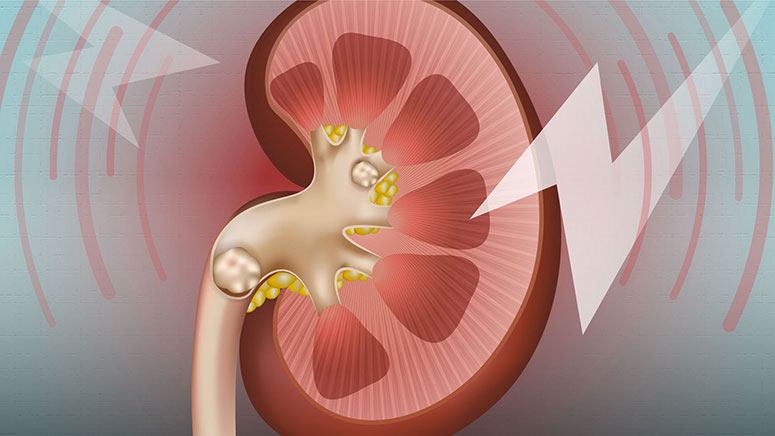
The mucus thickens and trickles down your throat , irritating your tonsils and adenoids. The bumps appear when your tonsils and adenoids become irritated and swollen. Your tonsils are a pair of soft tissues located in the back of your throat. Your adenoids are a patch of soft tissue located high in your nasal cavity behind your nose. Your tonsils and adenoids prevent germs from entering your respiratory passages.
If a bacterial infection like strep throat causes inflammation and swelling, your provider will likely prescribe antibiotics to resolve the infection. Cobblestone throat can be due to pharyngitis, a condition that causes the throat to become irritated and swollen commonly known as a sore throat. Viral and bacterial infections like cold or flu are the main culprits behind pharyngitis although it can be caused due to other conditions as well. Often wake up in the morning with a runny or blocked nose, with sensations of mucus trickling backwards down your throat (post-nasal drip)?

Both viruses and bacteria are contagious and can lead to cobblestone throat. Other causes, like allergies or acid reflux, aren’t contagious. The most common cause of cobblestone throat is postnasal drip.
Two various other natural herbs that are excellent for eliminating inflammation include witch hazel as well as aloe vera. Aloe vera is one of nature’s wonders; when applied to the skin, it offers pain alleviation as well as swelling reduction. It’s also been revealed to speed up the healing procedure when applied to cuts and scrapes. You may want to consider including both these natural herbs to your home remedies for inflammation.

In a 2012 study, children who received doses of honey had more significant improvements in sleep quality and decreases in coughing than those who used a placebo. When the body fights an infection or irritant, the lymph nodes and lymph tissue fill with fluid and become swollen. And decongestants to thin the excess mucus irritating your throat. If you have just a Cobblestone throat with no other symptoms, it’s less likely to be COVID-19. There is no cure for cobblestone in the throat, but the condition can be managed with proper treatment. In some cases, surgery may be necessary to remove any obstruction in your throat.


No comments:
Post a Comment